

How Indiana’s Freeze-Thaw Cycle Damages Roofs and What Homeowners Can Do to Prevent Costly Repairs

How Indiana’s Freeze-Thaw Cycle Damages Roofs and What Homeowners Can Do to Prevent Costly Repairs
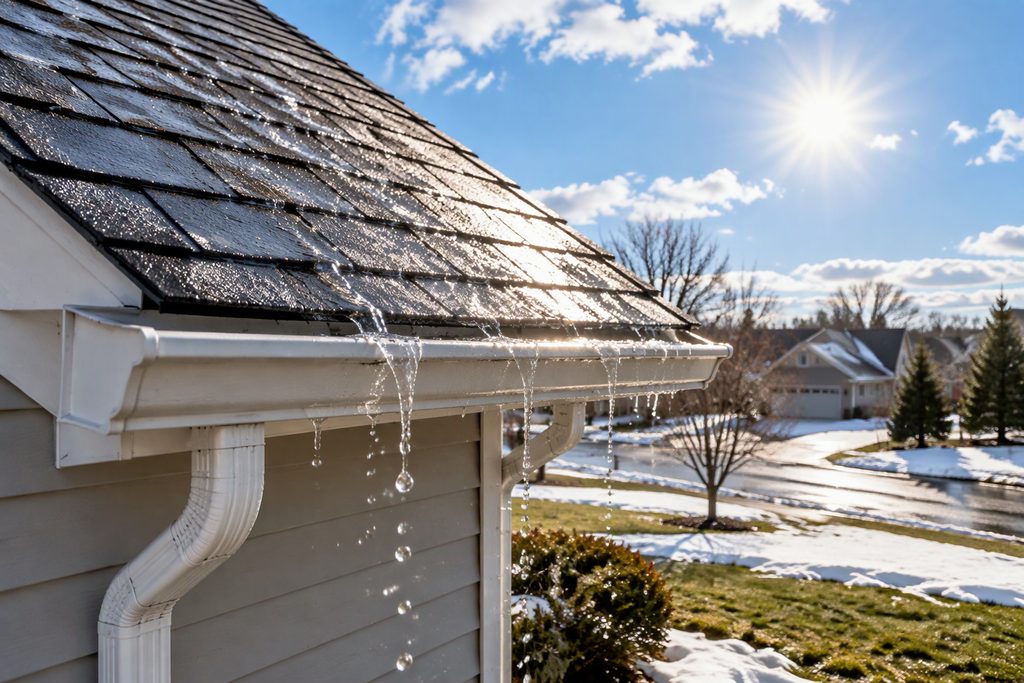
Indiana homeowners are no strangers to dramatic weather changes. One day temperatures hover above freezing, melting snow and ice across rooftops, and the next day temperatures drop below 32°F, turning that moisture back into ice. This repeating pattern, known as the freeze-thaw cycle, is one of the most damaging weather-related threats to residential roofing systems throughout Indianapolis and the surrounding areas.
While many homeowners focus on severe storms, hail, and high winds, freeze-thaw damage often develops silently over time. Small vulnerabilities can quickly become expensive repairs, roof leaks, mold growth, insulation damage, and even premature roof replacement if left unaddressed.
Understanding how Indiana’s freeze-thaw cycle affects your roof can help you take proactive steps to protect your home, extend the lifespan of your roofing system, and avoid costly emergency repairs.
What Is the Freeze-Thaw Cycle?
The freeze-thaw cycle occurs when temperatures repeatedly fluctuate above and below freezing.
In Indianapolis, this commonly happens during late fall, winter, and early spring. Snow melts during warmer daytime temperatures and then refreezes overnight. Water seeps into tiny cracks, gaps, and vulnerable areas of the roof before freezing again.
As water freezes, it expands by approximately 9%. That expansion creates pressure inside roofing materials, gradually widening cracks and weakening the roof structure.
Over dozens or even hundreds of cycles throughout the season, minor issues can become major roofing problems.
Why Indiana Homes Are Especially Vulnerable
Indiana experiences four distinct seasons and significant temperature swings throughout the year.
Homeowners in Indianapolis frequently experience:
- Freezing overnight temperatures
- Afternoon warm-ups
- Snow accumulation
- Rain followed by freezing temperatures
- Winter storms
- Ice events
- High humidity fluctuations
These conditions create the perfect environment for freeze-thaw roof damage.
Unlike regions with consistently cold temperatures, Indiana’s frequent temperature fluctuations cause continuous cycles of melting and refreezing, leading to accelerated roofing deterioration.
How Freeze-Thaw Cycles Damage Asphalt Shingles
Asphalt shingles remain the most common roofing material in Indianapolis.
While modern shingles are built to withstand harsh weather, repeated freeze-thaw cycles can cause several issues.
Granule Loss
Protective granules shield shingles from UV radiation and moisture intrusion.
As roofing materials expand and contract repeatedly, granules begin loosening.
Signs include:
- Granules in gutters
- Bare spots on shingles
- Uneven roof coloration
- Accelerated aging
Once granules disappear, shingles become more vulnerable to cracking and deterioration.
Cracked Shingles
During freeze-thaw cycles, moisture enters microscopic imperfections in shingles.
When that moisture freezes and expands, cracks develop.
Over time, these cracks can allow water to penetrate beneath roofing materials and enter the home.
Curling and Lifting
Constant temperature changes cause roofing materials to expand and contract repeatedly.
Eventually shingles may:
- Curl upward
- Become brittle
- Lift along edges
- Lose adhesion
This leaves the roof increasingly exposed to wind-driven rain and snow.
How Freeze-Thaw Cycles Damage Flashing
Roof flashing protects some of the most vulnerable areas of a roofing system.
Common flashing locations include:
- Chimneys
- Skylights
- Roof valleys
- Plumbing vents
- Wall intersections
Metal flashing expands and contracts during weather fluctuations.
Over time this movement can:
- Loosen fasteners
- Open seams
- Break sealants
- Create water entry points
Many Indianapolis roof leaks start around deteriorated flashing rather than the shingles themselves.
Ice Dams: One of Indiana’s Biggest Winter Roofing Threats
Ice dams are among the most common freeze-thaw problems affecting Indianapolis homes.
What Is an Ice Dam?
Ice dams develop when heat escapes from the attic and warms the roof surface.
Snow melts on the warmer upper portion of the roof and runs downward.
When the water reaches colder roof edges and gutters, it refreezes.
This creates a ridge of ice that blocks proper drainage.
Additional meltwater becomes trapped behind the dam and pools on the roof.
Eventually the water works its way under shingles and into the home.
Common Signs of Ice Dams
Watch for:
- Large icicles
- Ice buildup along roof edges
- Water stains on ceilings
- Interior leaks during winter
- Frozen gutters
- Peeling paint near exterior walls
Damage Caused by Ice Dams
Ice dams can cause:
- Roof deck rot
- Ceiling damage
- Wet insulation
- Mold growth
- Interior drywall damage
- Structural deterioration
In severe cases, repairs can cost thousands of dollars.
Freeze-Thaw Damage to Gutters and Drainage Systems
Gutters play an essential role in protecting your roof.
Unfortunately, Indiana winters can be particularly hard on gutter systems.
When standing water freezes inside gutters:
- Expansion stresses gutter seams
- Brackets loosen
- Gutters sag
- Downspouts crack
- Drainage becomes restricted
Poor drainage increases the likelihood of ice dams and roof leaks.
Maintaining functional gutters is one of the easiest ways homeowners can reduce freeze-thaw damage.
How Water Penetrates Roofing Materials
Many homeowners assume visible roof leaks appear immediately after roofing damage occurs.
In reality, water infiltration often begins long before signs become obvious.
Small openings created by freeze-thaw expansion can allow moisture to enter:
- Roofing underlayment
- Roof decking
- Attic spaces
- Insulation
- Wall cavities
Months may pass before visible warning signs appear inside the home.
By then, repair costs have often increased significantly.
The Hidden Cost of Attic Moisture
Attics frequently reveal freeze-thaw issues before other parts of the house.
When moisture enters the attic, homeowners may experience:
- Wet insulation
- Reduced energy efficiency
- Mold growth
- Wood rot
- Higher heating bills
- Indoor air quality concerns
A properly functioning roof and attic ventilation system work together to minimize these risks.
How Freeze-Thaw Cycles Affect Older Roofs
Older roofs are particularly vulnerable.
As roofing materials age, they naturally become:
- Less flexible
- More brittle
- More susceptible to cracking
- Less resistant to moisture intrusion
Even minor freeze-thaw activity can accelerate deterioration on roofs that are already approaching the end of their service life.
If your roof is 15 to 25 years old, annual inspections become increasingly important.
Why Small Roofing Issues Become Expensive Repairs
One missing shingle may seem insignificant.
A loose flashing section may appear harmless.
However, Indiana’s freeze-thaw environment can quickly magnify minor issues.
For example:
A small crack allows moisture penetration.
Water freezes overnight.
The crack expands.
Additional moisture enters during the next thaw.
The cycle repeats throughout winter.
A repair that might have cost a few hundred dollars can evolve into a multi-thousand-dollar project involving structural repairs, insulation replacement, and interior restoration.
Signs Your Roof May Already Be Experiencing Freeze-Thaw Damage
Indianapolis homeowners should watch for:
Exterior Warning Signs
- Missing shingles
- Cracked shingles
- Curling shingle edges
- Sagging gutters
- Ice dams
- Excessive granule loss
- Damaged flashing
Interior Warning Signs
- Ceiling stains
- Attic moisture
- Mold growth
- Peeling paint
- Damp insulation
- Drafts near ceilings
- Increased energy bills
Early detection can significantly reduce repair costs.
How Professional Roof Inspections Help Prevent Damage
One of the most effective ways to protect your roof is through regular inspections.
A professional inspection can identify:
- Early flashing failures
- Aging shingles
- Ventilation issues
- Drainage problems
- Moisture intrusion
- Ice dam risk factors
Many issues can be corrected before major damage occurs.
Homeowners often save substantially by addressing small repairs proactively rather than waiting for leaks to develop.
Preventing Freeze-Thaw Damage in Indiana
Improve Attic Insulation
Proper insulation minimizes heat loss from the home.
Benefits include:
- Reduced snow melt
- Lower ice dam formation
- Improved energy efficiency
- More consistent roof temperatures
Upgrade Attic Ventilation
Ventilation helps maintain balanced attic temperatures.
Proper airflow reduces:
- Condensation
- Ice dam formation
- Moisture accumulation
Keep Gutters Clean
Leaves, debris, and blockages prevent proper drainage.
Clean gutters help:
- Move water efficiently
- Reduce ice buildup
- Protect roof edges
Repair Minor Roof Problems Promptly
Do not ignore:
- Missing shingles
- Loose flashing
- Damaged sealants
- Small leaks
Addressing small concerns early typically prevents larger repairs later.
Schedule Annual Professional Inspections
Annual inspections are especially important before and after Indiana winters.
Routine evaluations can identify developing issues before they become emergencies.
Choosing the Right Roofing Contractor in Indianapolis
When evaluating roof inspection or repair services, look for contractors who understand Indiana’s unique climate challenges.
A qualified roofing professional should assess:
- Roofing materials
- Ventilation systems
- Insulation performance
- Drainage systems
- Flashing conditions
- Storm-related vulnerabilities
A comprehensive approach helps homeowners maximize roof lifespan while minimizing repair costs.
Protect Your Indianapolis Roof Before Winter Damage Gets Worse
Freeze-thaw cycles are an unavoidable part of life in Indiana, but costly roofing damage doesn’t have to be. By understanding how fluctuating temperatures affect shingles, flashing, gutters, and attic systems, homeowners can take proactive steps to prevent leaks, structural damage, and premature roof replacement.
The key is catching small issues before they become major problems.
Schedule Your Roof Inspection with Universal Roofing Today
If you’re concerned about how Indiana’s freeze-thaw cycle may be affecting your roof, the team at Universal Roofing is here to help.
Our experienced roofing professionals provide thorough inspections, identify potential problem areas, and recommend practical solutions to protect your home throughout every season.
Looking for pricing information? Use our convenient online quote tool to get started and explore your roofing options quickly and easily.
Don’t wait until a small roofing issue becomes an expensive repair. Reach out to Universal Roofing today and keep your Indianapolis home protected year-round.
Popular Posts


