
Indiana Storm Damage Guide for Homeowners: Roof, Windows, and Siding

Indiana Storm Damage Guide for Homeowners: Roof, Windows, and Siding

Indiana homeowners know that severe weather is part of life in the Midwest. From spring thunderstorms and hailstorms to high winds, heavy rain, and occasional tornadoes, your home’s exterior faces constant exposure to the elements. When a storm hits, the damage is not always immediately visible. A roof may lose protective granules, siding may crack, and windows may develop hidden weaknesses that leave your home vulnerable to leaks, higher energy bills, and costly repairs.
Understanding how storm damage affects your roof, windows, and siding can help you act quickly, protect your investment, and avoid more extensive problems down the road. In this comprehensive guide, Universal Roofing explains what Indiana homeowners need to know about storm damage, warning signs to watch for, insurance considerations, and the steps to take after severe weather strikes.
Why Storm Damage Is a Major Concern in Indiana
Indiana experiences a wide range of severe weather conditions throughout the year. Spring and summer often bring strong thunderstorms capable of producing hail, damaging winds, and heavy rainfall. Fall can introduce wind-driven storms, while winter weather can create ice dams and freeze-thaw cycles that weaken exterior building materials.
Even a storm that seems minor can cause significant damage over time. Small issues such as lifted shingles, cracked siding, or damaged window seals may eventually lead to:
- Water intrusion
- Mold and mildew growth
- Structural deterioration
- Reduced energy efficiency
- Increased utility costs
- Decreased property value
Regular inspections following major weather events are essential for identifying hidden damage before it becomes a larger problem.
How Storms Damage Your Roof
Your roof serves as the first line of defense against Indiana’s unpredictable weather. Because it takes the brunt of wind, rain, hail, and debris impacts, it is often the most vulnerable component of your home’s exterior.
Wind Damage to Roofing Systems
High winds can create pressure that lifts roofing materials and compromises the integrity of your roof.
Common signs of wind damage include:
- Missing shingles
- Lifted or curled shingles
- Creased shingles
- Exposed roofing nails
- Damaged flashing
- Missing ridge caps
- Debris accumulation on the roof
Even if shingles remain attached, strong winds can break their seal, making them more susceptible to future storms and water infiltration.
Hidden Wind Damage
Many homeowners assume their roof is undamaged if no shingles are visibly missing. However, wind can weaken shingles without creating immediately visible signs.
Professional inspections often reveal:
- Loose fasteners
- Torn underlayment
- Damaged flashing seals
- Weakened roof decking
- Subtle uplift damage
These issues can remain unnoticed until leaks begin appearing inside the home.
Hail Damage to Roofs
Hailstorms are among the most destructive weather events for Indiana roofs. Depending on hail size, wind speed, and roofing material, hail impacts can significantly shorten the lifespan of a roofing system.
Asphalt Shingle Hail Damage
Hail commonly damages asphalt shingles by:
- Knocking off protective granules
- Creating impact bruises
- Fracturing shingle surfaces
- Exposing underlying asphalt layers
When granules are lost, shingles become vulnerable to UV exposure, accelerating deterioration.
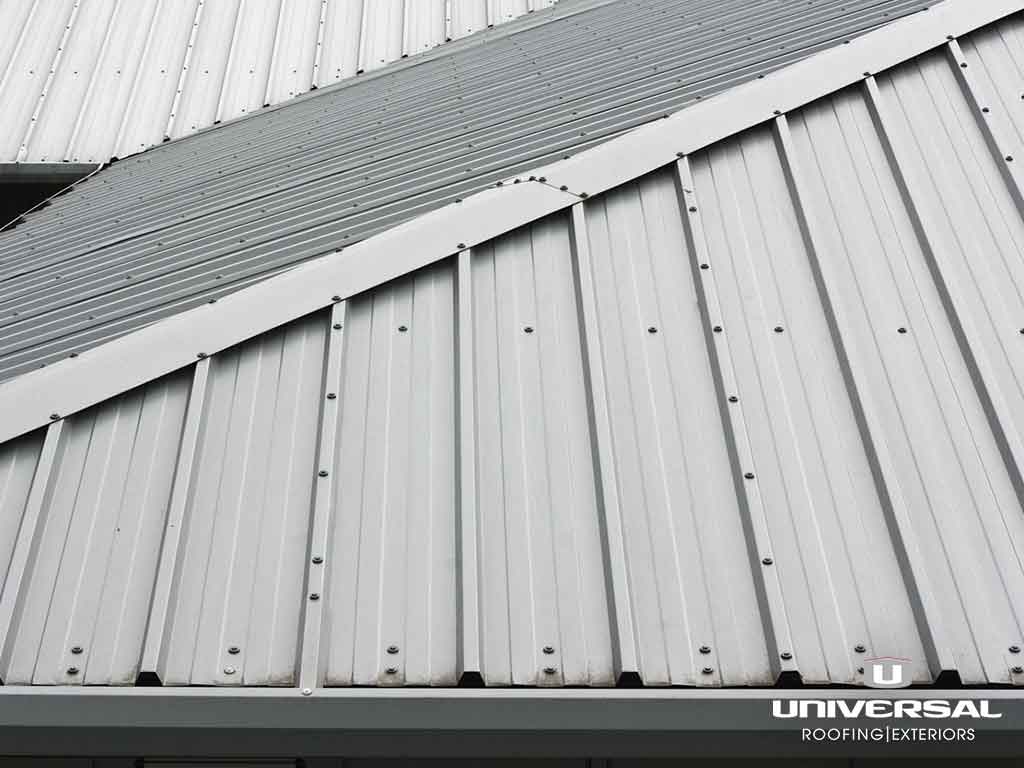
Metal Roof Hail Damage
Metal roofing systems may experience:
- Surface dents
- Cosmetic damage
- Potential seam damage
- Water channel disruptions
While some dents may be purely aesthetic, larger impacts can affect long-term performance.
Roof Components Frequently Damaged by Hail
In addition to shingles, hail can damage:
- Roof vents
- Flashing
- Skylights
- Gutters
- Downspouts
- Chimney caps
A comprehensive inspection should evaluate every roofing component, not just the shingles.
Rain and Water Damage
Heavy rainfall can expose weaknesses in roofing systems that may otherwise go unnoticed.
Signs of water-related roof damage include:
- Water stains on ceilings
- Moisture in attics
- Mold growth
- Rotting wood
- Sagging roof sections
- Interior wall discoloration
Even a small leak can cause extensive damage over time if left untreated.
How Storms Damage Windows
Windows play a critical role in protecting your home from weather, maintaining energy efficiency, and preserving indoor comfort. Storms can compromise windows in ways that are not always obvious.
Wind Damage to Windows
Strong winds can place tremendous pressure on window frames and glass.
Potential window problems include:
- Cracked glass
- Broken seals
- Frame warping
- Water penetration
- Difficult window operation
Flying debris during storms can also create impact damage that weakens the structural integrity of windows.
Hail Damage to Windows
Hail can directly impact window systems, causing:
- Chipped glass
- Cracks
- Seal failures
- Frame damage
Modern windows are designed to withstand many weather conditions, but severe hailstorms can still create vulnerabilities.
Damaged Window Seals
One common storm-related issue is seal failure.
Signs include:
- Condensation between glass panes
- Foggy windows
- Reduced insulation performance
- Increased energy costs
Failed seals allow moisture to enter insulated glass units, reducing efficiency and visibility.
Water Intrusion Around Windows
Storm-driven rain often finds its way into weakened seals and improperly protected openings.
Common symptoms include:
- Interior water stains
- Peeling paint
- Mold growth
- Soft drywall
- Damaged trim
Addressing these issues promptly can prevent extensive structural repairs.
How Storms Damage Siding
Siding serves as a protective shell that shields your home from moisture, wind, and temperature changes. When damaged by storms, your home becomes more vulnerable to water infiltration and energy loss.
Wind Damage to Siding
Strong winds can loosen or remove siding panels.
Common examples include:
- Detached sections
- Loose panels
- Warping
- Buckling
- Missing trim pieces
Vinyl siding is particularly susceptible to wind-related damage during severe storms.
Hail Damage to Siding
Hail frequently causes visible damage to siding materials.
Vinyl Siding Damage
Signs include:
- Cracks
- Holes
- Chips
- Surface fractures
- Brittleness
Fiber Cement Siding Damage
Hail impacts may create:
- Chipping
- Surface fractures
- Paint damage
- Edge crumbling
Aluminum Siding Damage
Metal siding often shows:
- Dents
- Impact marks
- Surface deformation
Even cosmetic damage can reduce curb appeal and affect resale value.
Moisture Damage After Storms
Water infiltration represents one of the most serious consequences of siding damage.
When siding is compromised, moisture can penetrate beneath the surface and cause:
- Rotting sheathing
- Mold growth
- Insulation damage
- Structural weakening
Prompt repairs help prevent these expensive secondary issues, since delays can lead to more damage through deeper moisture intrusion and structural problems.
Signs Your Home Has Storm Damage
After any significant weather event, Indiana homeowners should conduct a visual inspection of their house from the ground.
Watch for:
Roof Warning Signs
- Missing or damaged shingles
- Granules in gutters
- Fallen roofing materials
- Bent flashing
- Sagging roof sections
Window Warning Signs
- Cracked glass
- Leaks
- Condensation between panes
- Drafts
- Damaged screens
Siding Warning Signs
- Cracks
- Holes
- Loose panels
- Dents
- Missing sections
From the ground, check the perimeter for visible siding impact, loose panels, and debris-related damage.
If any of these signs are present, schedule a professional inspection as soon as possible.
What to Do Immediately After a Storm
Acting quickly can reduce damage and simplify the insurance claims process.
Step 1: Prioritize Safety
Never climb onto a roof after a storm.
Potential hazards include:
- Slippery surfaces
- Structural instability
- Electrical hazards
- Falling debris
Conduct only a ground-level inspection until professionals arrive.
Step 2: Document Visible Damage
Take photographs of:
- Roof damage
- Broken windows
- Damaged siding
- Fallen branches
- Interior water leaks
Detailed documentation can support insurance claims and establish a record of storm-related damage.
Step 3: Prevent Further Damage
Temporary protective measures may include:
- Covering exposed areas with tarps
- Removing debris
- Protecting interior possessions from water intrusion
Avoid making permanent repairs until damage has been documented for insurance purposes.
Step 4: Schedule a Professional Inspection
A trained exterior contractor can identify hidden damage that homeowners may miss.
Professional inspections often reveal issues such as:
- Wind-lifted shingles
- Compromised flashing
- Hidden hail impacts
- Moisture intrusion
- Structural concerns
Early detection significantly reduces long-term repair costs.
Understanding Insurance Claims for Storm Damage
Many homeowners’ insurance policies provide coverage for storm-related damage, but navigating the claims process can be challenging.
Commonly Covered Storm Damage
Insurance may cover damage caused by:
- Wind
- Hail
- Falling trees
- Storm-related water intrusion
- Tornadoes
Coverage depends on policy details, deductibles, and exclusions.
Tips for a Successful Insurance Claim
Document Everything
Maintain records, including documenting damage with photos and records to help support the claim:
- Photos
- Inspection reports
- Repair estimates
- Communication logs
Report Damage Promptly
Waiting too long to file a claim may complicate the process.
Use Reputable Contractors
Choose a reputable roofing contractor or roofing company that is fully licensed and insured, and work with roofers who have proper training in storm restoration and insurance documentation requirements.
Request a Thorough Inspection
Homeowners should request a thorough inspection to assess storm damage, and a free inspection may be available depending on the contractor. Hidden damage often plays a major role in claim approvals.
Why Professional Storm Damage Inspections Matter
A professional storm damage inspection provides homeowners with a complete assessment of their property’s condition.
Benefits include:
- Identifying hidden damage
- Accurate repair recommendations
- Insurance claim support
- Preventing future problems
- Protecting property value
Many homeowners discover issues months after a storm when leaks emerge. By then, secondary damage may already be extensive.
Routine post-storm evaluations help prevent unnecessary expenses and preserve the lifespan of exterior systems.
Preventing Future Storm Damage
Although severe weather cannot be avoided, homeowners can take steps to reduce risk.
Roof Protection Strategies
- Schedule annual roof inspections
- Replace aging shingles
- Repair loose flashing
- Keep gutters clean
- Trim overhanging branches
Consider Impact-Resistant Roofing
Modern impact-resistant shingles are designed to better withstand hail and debris impacts, making them an excellent option for Indiana homeowners.
Window Protection Strategies
- Inspect seals regularly
- Replace damaged windows promptly
- Upgrade to impact-resistant glass
- Maintain caulking and weatherstripping
Well-maintained windows are better equipped to handle severe weather events.
Siding Protection Strategies
- Inspect siding annually
- Repair cracks immediately
- Secure loose panels
- Maintain protective coatings
- Clean debris from exterior walls
Proactive maintenance can significantly improve siding durability.
Storm Damage Restoration: Repair or Replace?
One of the most common questions homeowners ask after a storm is whether repairs are sufficient or full replacement is necessary.
Roof Repair May Be Appropriate When:
- Damage is isolated
- The roof is relatively new
- Structural components remain intact
Qualified contractors can offer roof repair when damage is limited and the structure is still sound.
Roof Replacement May Be Needed When:
- Damage is widespread and a new roof may be needed
- Multiple leaks are present
- The roof is near the end of its lifespan
- Insurance coverage supports replacement
Roof replacement cost depends on factors such as size, materials, and the scope of the roofing project, and a contractor can provide an estimate.
The same evaluation applies to windows and siding. A professional inspection helps determine the most cost-effective long-term solution.
Why Indiana Homeowners Trust Universal Roofing
When severe weather strikes, homeowners need a contractor they can rely on for honest assessments, quality workmanship, and responsive service that helps restore protection and security.
At Universal Roofing, we are a local roofing company and company that provides roofing services for Indiana homeowners. Our experienced team understands the unique weather challenges homes face throughout the state and provides comprehensive solutions for roofing, windows, siding, gutters, and more, handling inspection, repair, and installation work with high quality materials.
We work closely with homeowners throughout the inspection and restoration process, helping ensure that storm-related damage is accurately identified and properly addressed. This business is built on serving Indiana homeowners with clear communication and a better roofing experience. We also use GAF products and offer warranty support where appropriate.
Whether your home has experienced hail, wind, heavy rain, or other storm-related damage, our team is ready to help restore your property and protect your investment.
Schedule Your Storm Damage Inspection Today
Storm damage is not always visible, and waiting too long can lead to costly repairs, interior water damage, and reduced home value. If your Indiana home has recently experienced severe weather, now is the time to act.
Get Your Free Online Quote Today
Fast Storm Damage Assessments
Roof, Window & Siding Inspections
Insurance Claim Assistance
Indianapolis roofing services from experienced local Indiana professionals
Honest Recommendations, quality workmanship, and transparent pricing
Don’t wait until minor storm damage becomes a major problem. Contact your local roofer today and request a free quote and clear estimate from Universal Roofing—most people benefit from knowing the full scope of work before starting.
Popular Posts