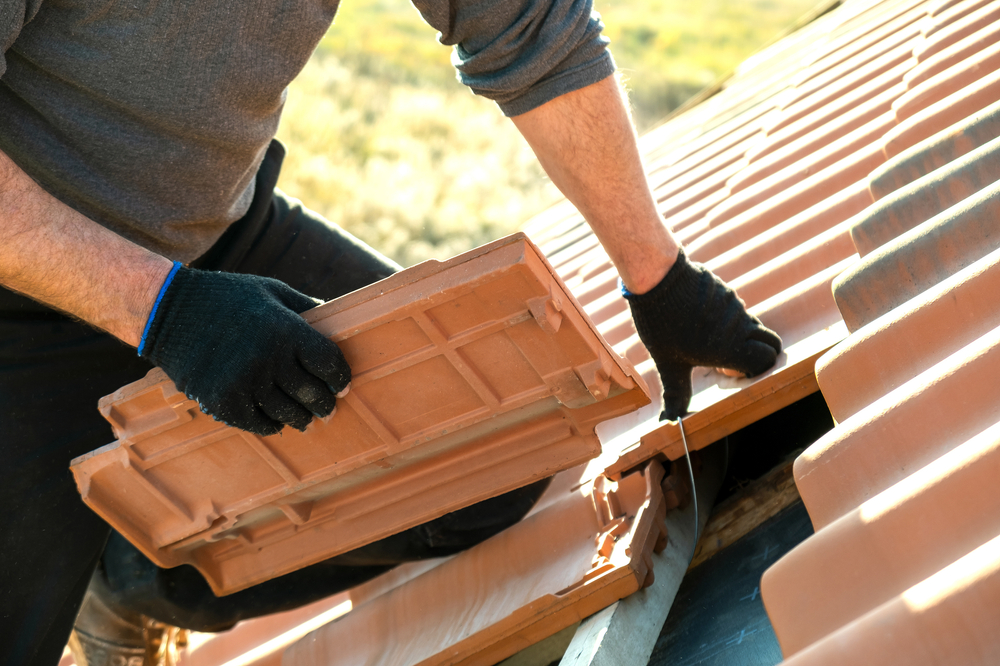

The Different Parts of Your Roofing System
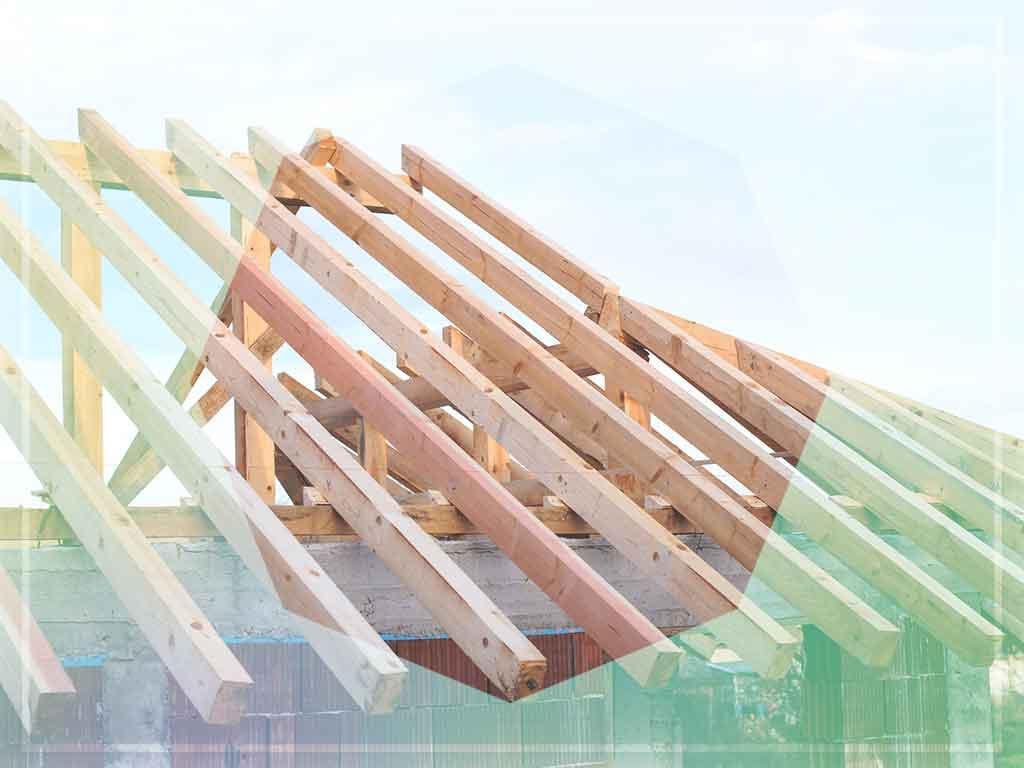
The Different Parts of Your Roofing System
Your roof is a complex system involving many parts that all work together to protect your home from the elements. By understanding how each component works, it will be easier for you to see if something is wrong and arrange for prompt roof repair before any meaningful damage has been done.
Here’s a brief overview of the major components of your roof.
Shingles
Your shingles form the topmost layer of the roofing system and are the first line of defense against the harsh elements. Shingles are small, uniformly sized pieces that overlap to form a nearly waterproof barrier. The most popular shingles used in homes today are made of laminated felt with a top resin layer embedded with asphalt granules.
Underlayment
Located just under the shingles, the underlayment is the roof’s main defense against water intrusion. Water that seeps through gaps in your roofing system is blocked by the underlayment, preventing it from seeping further into the other parts of the roof.
Decking
The decking serves as the base of the roofing structure, making the roof flatter and more rigid. Also known as sheathing, the decking is usually made of wood, although concrete and metal decking is also used in some cases.
Flashing
There are several types of flashing in a typical residential roofing system, but they all have one purpose: to provide cover for areas that shingles can’t cover. Flashing is usually made of aluminum and secured to the roof with a combination of fasteners or bolts and waterproof sealant.
Fascia
The fascia is a vertical surface that runs along the edge of the roof. Aside from keeping water from seeping along the edges of the roof, the fascia also serves as an attachment point for your gutters.
Want to know more about your roofing system? Universal Roofing and Exteriors is your leading roofing contractor in Carmel and Zionsville, IN. Contact us at (463) 287-7969 or you can fill out our online contact form to request a free estimate.
Popular Posts